SEPTEMBER 22, 2025
THE ART OF AUTHENTIC PIZZA: INSIDE PIZZAIOLO'S ARTISANAL KITCHEN
An exclusive conversation with Head Chef Marco Benedetti reveals the meticulous craft behind every Pizzaiolo pizza, from 72-hour fermentation to the delicate balance of tradition and modern delivery excellence

Walking into Pizzaiolo's kitchen at 5:30 AM, you're immediately struck by the intoxicating aroma of fermenting dough and the quiet intensity of Chef Marco Benedetti as he inspects rows of proofing containers. Each holds dough that began its journey three days ago, undergoing a transformation that separates authentic Neapolitan-style pizza from its mass-produced counterparts.
"People think pizza is simple," Marco says, his hands dusted with the finest Italian flour. "But true pizzaiolo pizza is about patience, precision, and respect for ingredients that have been perfected over centuries. Every pizza we deliver carries this tradition."
For Marco, who trained in Naples before bringing his expertise to Canada, the journey to creating the perfect pizzaiolo menu item begins long before the oven is fired. It starts with understanding that great pizza is built on a foundation of time, temperature, and technique.
THE 72-HOUR FERMENTATION PHILOSOPHY
The cornerstone of Pizzaiolo's artisanal approach is the extended fermentation process that transforms simple ingredients into something extraordinary. While many pizzerias rush dough production to meet demand, Marco insists on a minimum 72-hour cold fermentation for every batch.
"The fermentation process is where magic happens," Marco explains, pulling out a container of dough that's been resting for exactly 68 hours. "During this time, enzymes break down complex proteins and starches, creating a dough that's not only more digestible but develops incredible depth of flavor. You can taste the difference in every bite of our pizzaiolo delivery."
The process begins with a carefully calculated mixture of water, salt, yeast, and flour. The dough is mixed just until combined, then immediately transferred to refrigeration at precisely 4°C. Over the next three days, the yeast works slowly, producing carbon dioxide that creates the characteristic air pockets in the crust while developing complex flavor compounds.
"Temperature control is critical," Marco emphasizes. "Too warm, and the fermentation happens too quickly, resulting in a sour taste. Too cold, and the yeast becomes dormant. We monitor every batch multiple times daily to ensure perfect conditions."

IMPORTED ITALIAN FLOUR: THE FOUNDATION OF EXCELLENCE
Ask Marco about his flour selection, and you'll witness genuine passion. Pizzaiolo imports its flour directly from a mill in Naples that has been producing pizza flour for four generations. The specific blend, known as Tipo 00, is ground to an exceptionally fine texture that's essential for authentic Neapolitan pizza.
"North American all-purpose flour simply doesn't work for traditional pizzaiolo pizzeria standards," Marco states firmly. "The protein content, the grind size, the way it absorbs water—everything is different. Tipo 00 flour has a protein content between 11-12%, which creates the perfect balance of strength and extensibility."
The flour arrives in 25-kilogram bags, each stamped with the mill's certification and batch number. Marco personally inspects every shipment, checking for consistency in color, texture, and aroma. He even performs hydration tests to ensure the flour will behave as expected during the mixing and fermentation process.
"When customers order pizzaiolo online, they're getting the same flour that's used in the best pizzerias in Naples," Marco says with evident pride. "We don't compromise on this, even though imported flour costs three times more than local alternatives. The difference in the final product is undeniable."

TRADITIONAL TECHNIQUES MEET MODERN DEMANDS
Perhaps the most challenging aspect of Pizzaiolo's operation is maintaining traditional pizza-making techniques while meeting the demands of modern pizzaiolo delivery service. Marco has developed innovative solutions that preserve authenticity without sacrificing convenience.
"The traditional Neapolitan pizza is meant to be eaten immediately, within 90 seconds of leaving the oven," Marco explains. "But our customers expect delivery to their homes. So we had to engineer every aspect of the process to ensure the pizza arrives in optimal condition."
The solution involved careful calibration of cooking times, temperatures, and even the pizzaiolo menu composition. Pizzas destined for delivery are cooked at a slightly lower temperature for a few seconds longer, creating a crust that maintains its texture during transport. Special ventilated boxes allow steam to escape, preventing the dreaded soggy bottom that plagues many delivery pizzas.
"We also adjusted our sauce-to-cheese ratio and the way we distribute toppings," Marco reveals. "Too much moisture in the center, and the pizza won't survive the journey. But we can't sacrifice flavor or authenticity. It took months of testing to find the perfect balance."

THE HAND-STRETCHING RITUAL
Watch Marco prepare a pizza, and you're witnessing a ritual perfected over decades. After the dough has completed its 72-hour fermentation, it's removed from refrigeration and allowed to come to room temperature for exactly 45 minutes. This step is crucial for achieving the proper extensibility.
"The dough tells you when it's ready," Marco says, gently pressing a dough ball with his fingertips. "If it springs back too quickly, it needs more time. If it doesn't spring back at all, you've waited too long. You have to listen to the dough."
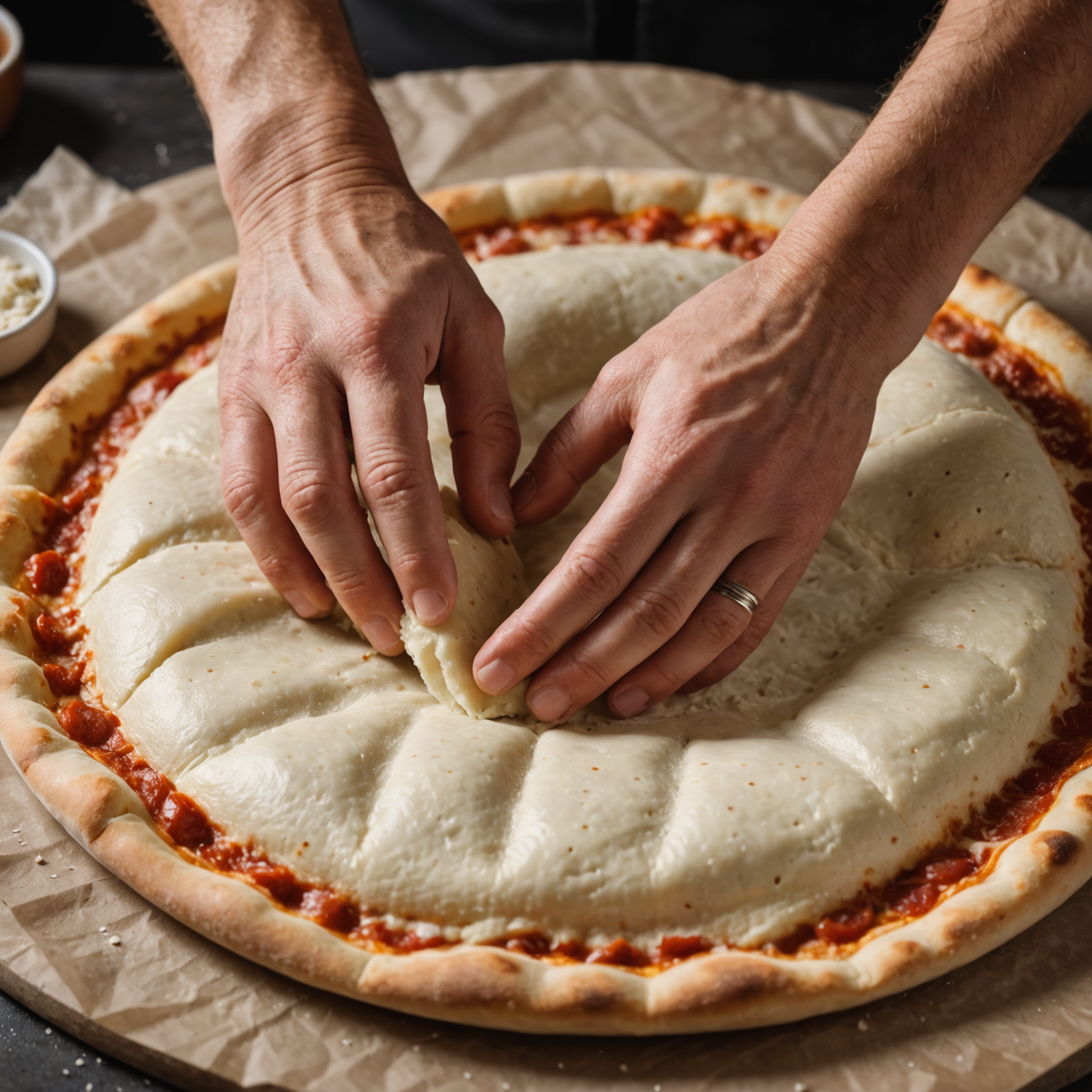
The stretching process itself is performed entirely by hand, never with a rolling pin. Marco starts from the center, using his fingertips to press outward while rotating the dough. The edges are left slightly thicker, creating the characteristic cornicione—the puffy, charred rim that's the hallmark of authentic Neapolitan pizza.
"Every pizzaiolo pizza we make is hand-stretched," Marco emphasizes. "Machines compress the dough, destroying the air pockets created during fermentation. Hand-stretching preserves these bubbles, which expand in the oven to create that light, airy crust our customers love."
INGREDIENT SOURCING AND QUALITY CONTROL
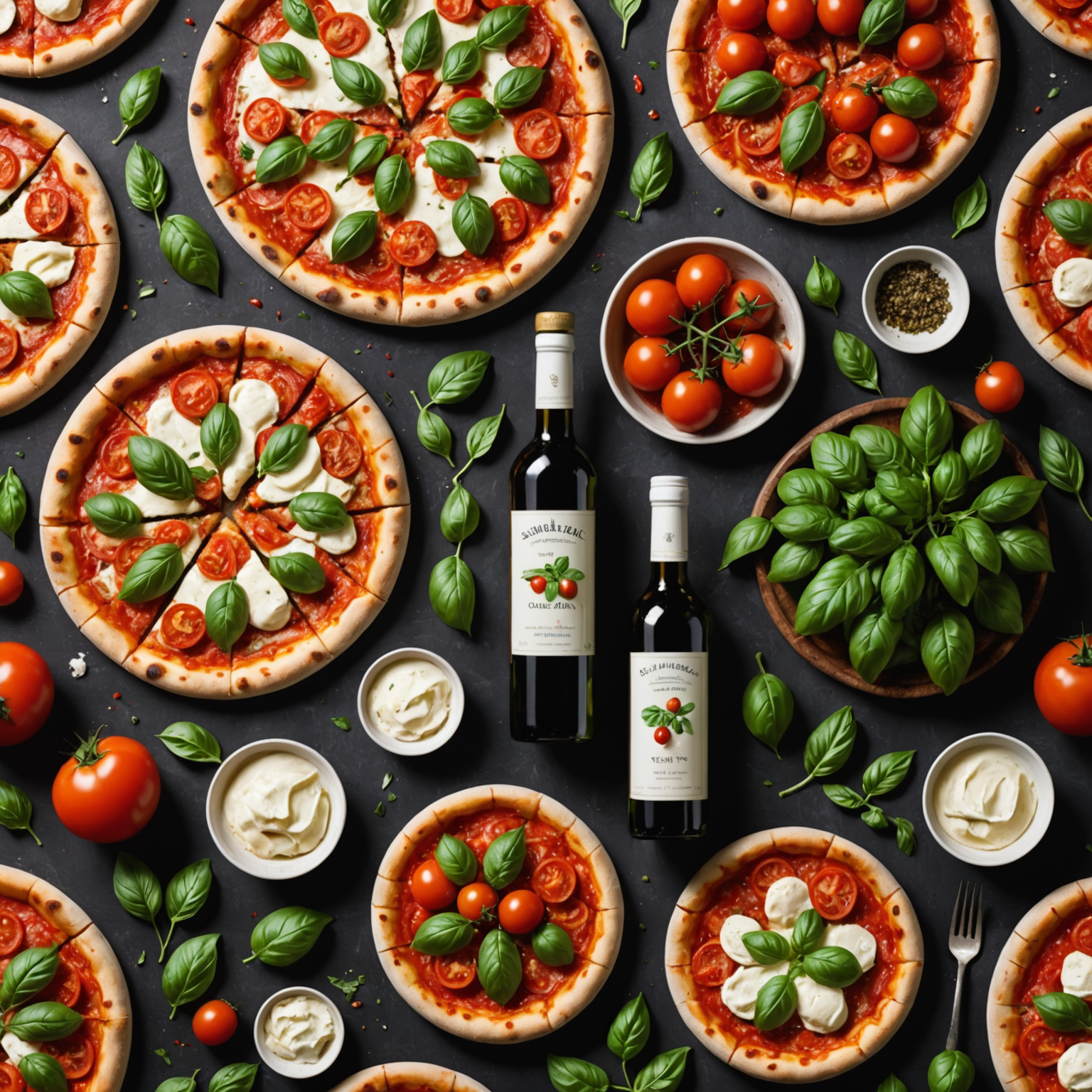
Beyond flour, every ingredient that goes onto a Pizzaiolo pizza is selected with the same meticulous attention to quality. San Marzano tomatoes, grown in the volcanic soil near Mount Vesuvius, form the base of the sauce. Fresh mozzarella is delivered daily from a local producer who follows traditional Italian methods.
"For our pizzaiolo pizzeria, we source ingredients that honor both Italian tradition and Canadian quality," Marco explains. "Our basil comes from a greenhouse just outside the city. Our olive oil is cold-pressed from Puglia. Even our pepperoni is made by an Italian butcher using a family recipe from Calabria."
The sauce preparation alone takes two hours. Tomatoes are hand-crushed, never pureed, to maintain their fresh texture. They're seasoned simply with sea salt, fresh basil, and a touch of extra virgin olive oil. No cooking is required—the sauce will cook perfectly during the pizza's brief time in the oven.
"When people order pizzaiolo delivery, they're getting ingredients that most restaurants reserve for dine-in service," Marco notes. "We don't have a separate 'delivery menu' with cheaper ingredients. Every pizza, whether eaten here or delivered across town, meets the same standards."
THE WOOD-FIRED OVEN: HEART OF THE OPERATION
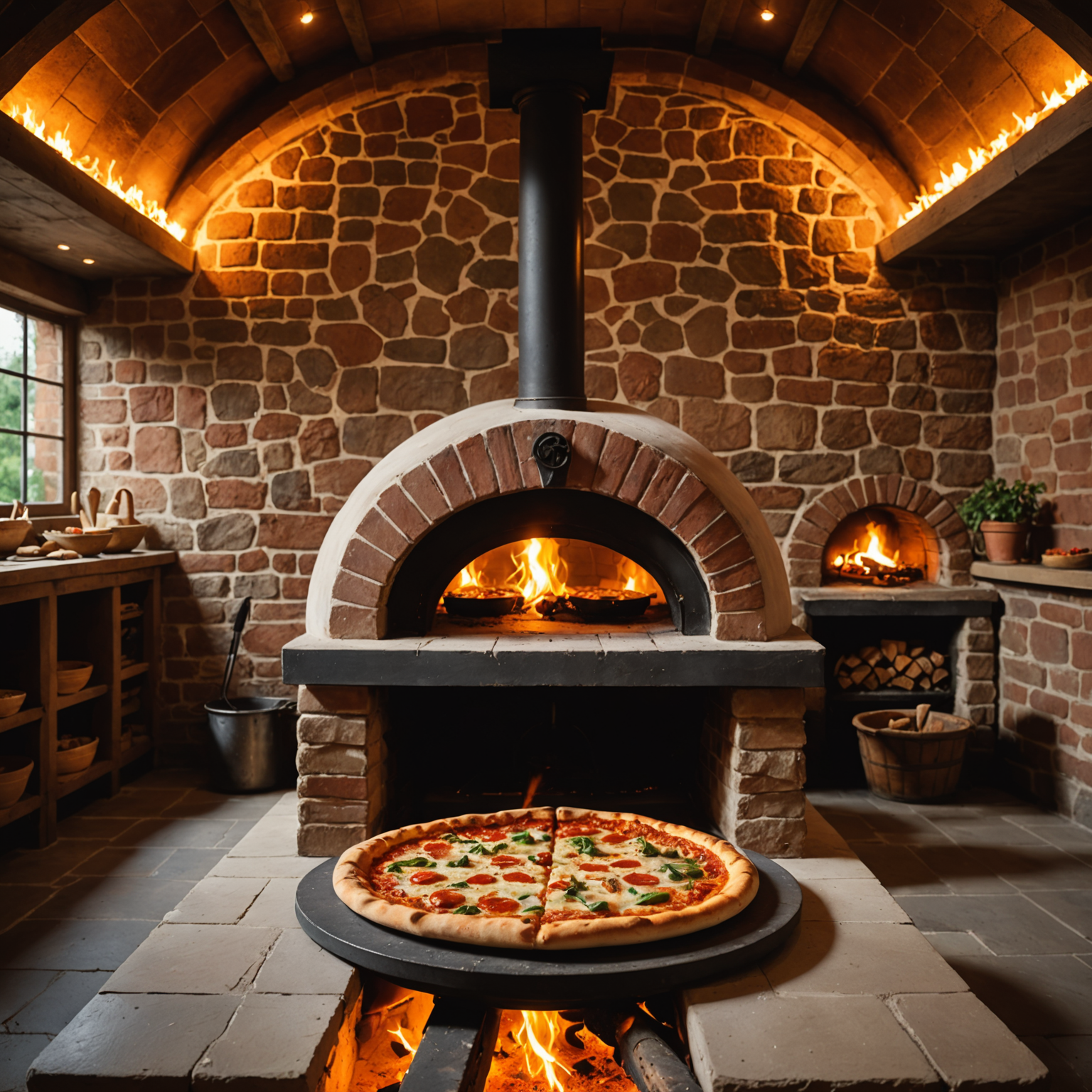
At the center of Pizzaiolo's kitchen stands a custom-built wood-fired oven imported from Naples. Constructed from volcanic stone and special refractory bricks, the oven reaches temperatures of 485°C (905°F)—hot enough to cook a pizza in just 90 seconds.
"The oven is the soul of a pizzaiolo pizzeria," Marco says reverently. "This isn't just equipment; it's a living thing that needs to be understood and respected. The way heat radiates from the dome, the hot spots on the floor, the way smoke flavors the crust—you can't replicate this with gas or electric ovens."
Marco arrives each morning at 5:00 AM to begin firing the oven, a process that takes nearly three hours. He uses a specific blend of hardwoods—oak and maple—that burn hot and clean without imparting unwanted flavors. The wood is sourced from sustainable Canadian forests, adding a local touch to the traditional Italian process.
"Temperature management is an art," Marco explains, using an infrared thermometer to check various spots in the oven. "The floor needs to be 430°C for the perfect crust. The dome should be 485°C to cook the toppings. If either is off by more than 10 degrees, the pizza won't be right."
TRAINING THE NEXT GENERATION
Marco's commitment to authenticity extends to training his team. New pizza makers undergo a rigorous six-month apprenticeship before they're allowed to prepare pizzas for customers. The training covers everything from dough handling to oven management, with Marco personally overseeing each stage.
"Making pizza is easy. Making great pizza consistently is incredibly difficult," Marco says. "I can teach someone the techniques in a few weeks, but developing the intuition—knowing when dough is properly fermented, feeling when it's stretched correctly, understanding how the oven behaves on humid days versus dry days—that takes months of practice."
Apprentices start by observing, then move to preparing ingredients, and eventually to stretching dough under Marco's watchful eye. Only after demonstrating consistent quality do they advance to working the oven, where split-second timing can mean the difference between perfection and disaster.
"When customers order from our pizzaiolo menu, I want them to get the same quality regardless of who made their pizza," Marco emphasizes. "That's why training is so important. Every person in this kitchen understands that they're not just making food—they're preserving a tradition and representing our commitment to excellence."
BALANCING TRADITION WITH INNOVATION
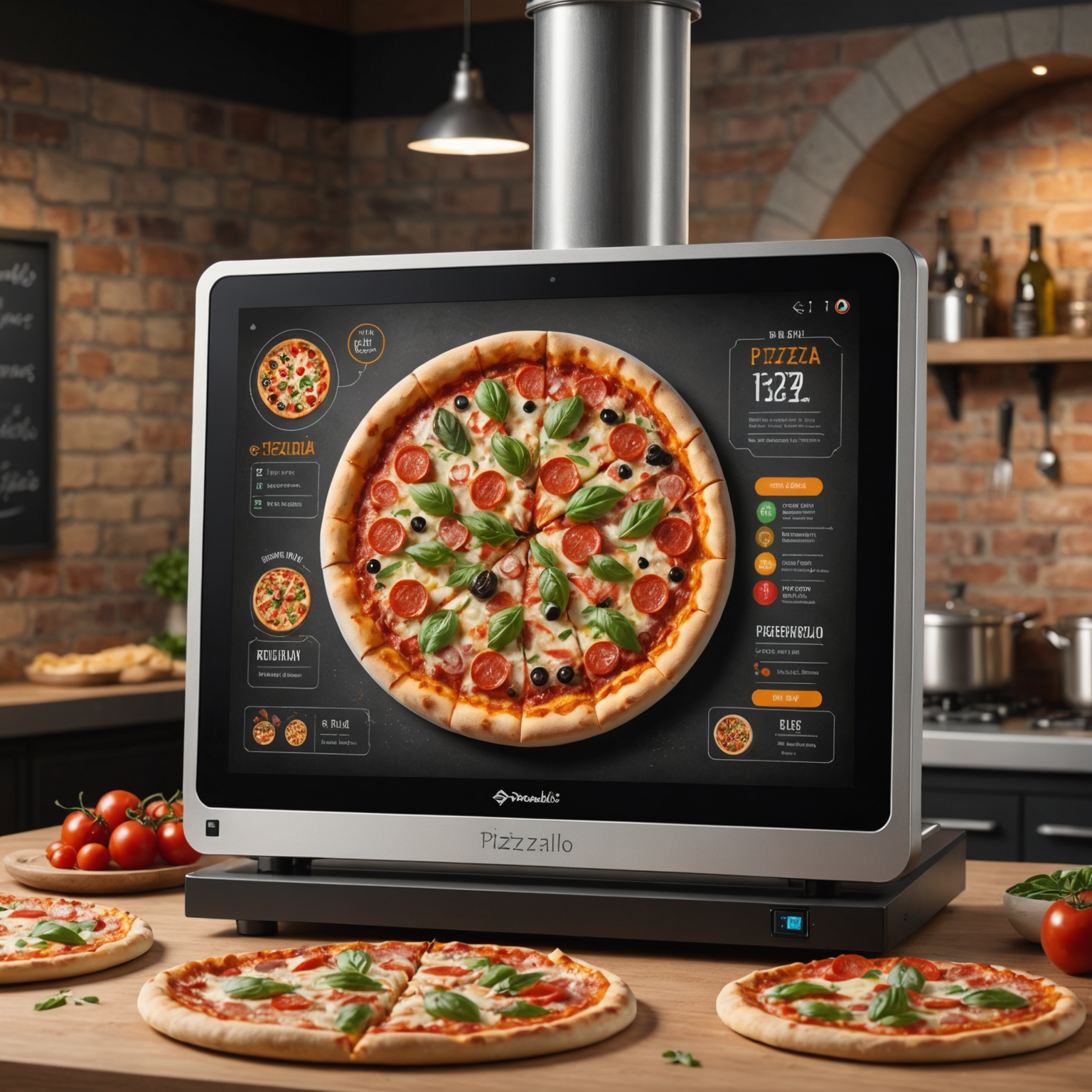
While Marco is deeply committed to traditional methods, he's not opposed to innovation when it serves the customer experience. Pizzaiolo's online ordering system, for example, allows customers to track their pizza's progress from dough stretching to delivery, providing transparency that builds trust.
"Technology should enhance tradition, not replace it," Marco explains. "Our customers can order pizzaiolo online and see exactly when their dough was prepared, when it went into the oven, and when it left for delivery. This transparency shows them we're not cutting corners."
The kitchen also uses precise digital scales and timers to ensure consistency, though Marco insists these tools supplement rather than replace human judgment. "The scale tells me I've added 280 grams of dough to the mixer, but my hands tell me if the hydration is correct," he says.
Even the delivery logistics have been optimized using modern route planning software, ensuring pizzas arrive within the critical 20-minute window when they're still at peak quality. Delivery drivers are trained to handle pizzas with the same care as the kitchen staff, understanding that they're the final link in the chain of excellence.
THE FUTURE OF ARTISANAL PIZZA DELIVERY
As Pizzaiolo continues to grow, Marco remains focused on maintaining the standards that have made the pizzeria successful. Plans for expansion include opening additional locations, each with its own wood-fired oven and trained team of pizza makers.
"The challenge is scaling without compromising quality," Marco acknowledges. "We'll never be the biggest pizza delivery service in Canada, and that's fine. We want to be the best. That means every new location must have the same commitment to the 72-hour fermentation, the imported flour, the hand-stretching, and the wood-fired oven."
Marco is also working on educational initiatives to help customers understand what makes artisanal pizza different. "When people understand the process—the time, the ingredients, the skill involved—they appreciate the pizza more," he says. "They understand why it costs a bit more and why it tastes so much better."
Looking ahead, Marco sees a growing appreciation for authentic, artisanal food, even in the delivery space. "People are tired of mass-produced, assembly-line food," he observes. "They want to know where their food comes from, how it's made, who made it. That's what we offer with every pizzaiolo delivery."
Marco's Tips for Pizza Lovers
- • Let delivery pizza rest for 2-3 minutes before eating to allow the cheese to set slightly and prevent burns
- • Store leftover pizza in the refrigerator, not at room temperature, and reheat in a hot oven (not microwave) for best results
- • Order pizzas with fewer toppings to appreciate the quality of the dough and sauce—sometimes less is more
- • Try eating pizza Neapolitan-style: fold each slice in half and eat from the point, which helps contain toppings and enhances flavor
- • Pay attention to the crust—it should be light, airy, and slightly charred, not dense or doughy
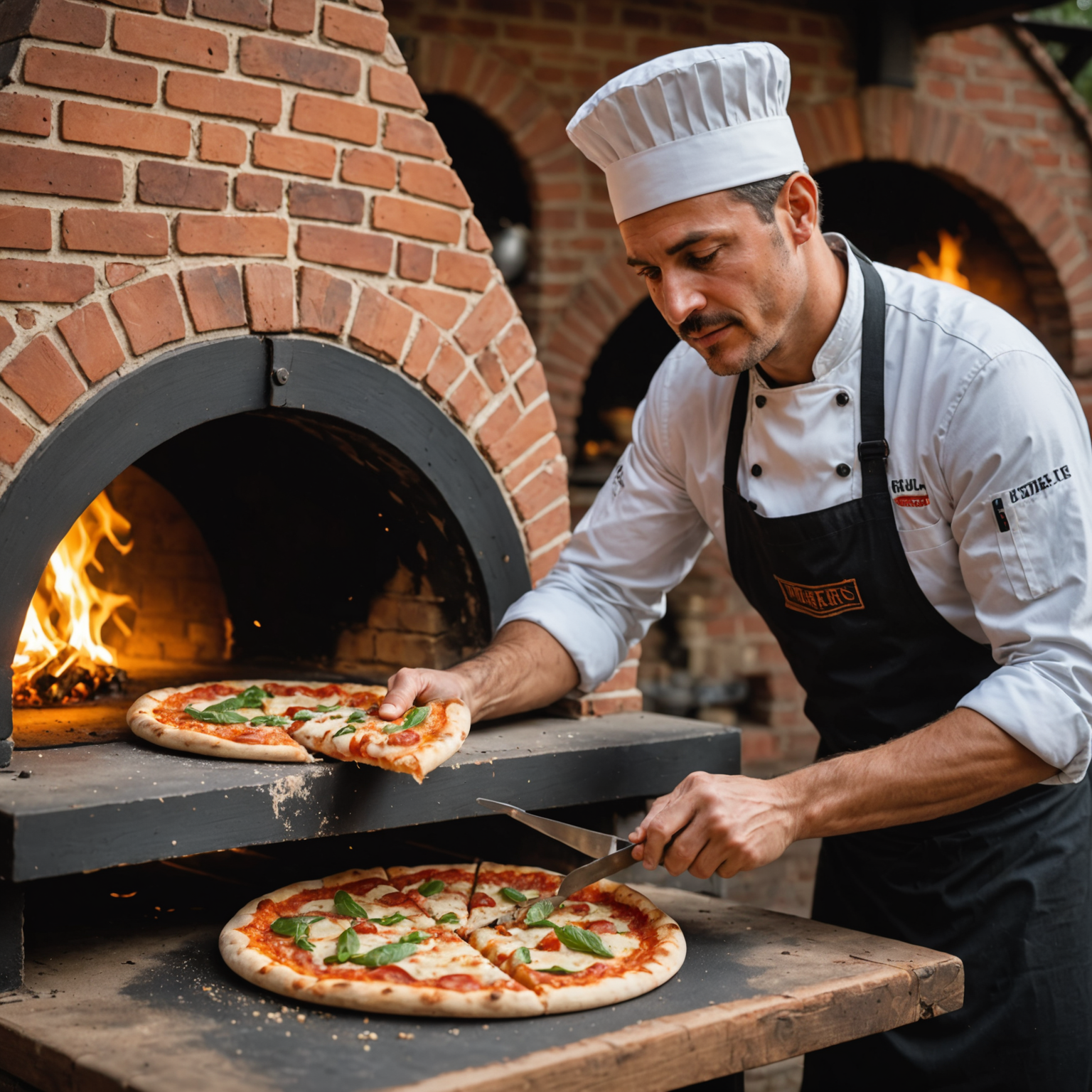
As our conversation winds down, Marco pulls a perfectly fermented dough ball from the refrigerator. With practiced movements, he stretches it into a round, tops it with sauce and fresh mozzarella, and slides it into the roaring oven. Ninety seconds later, he presents a pizza that looks like a work of art—puffy, charred crust; bubbling cheese; and the unmistakable aroma of wood smoke.
"This is what we do, every single pizza, every single day," Marco says, cutting a slice. "Whether someone is dining in our pizzaiolo pizzeria or ordering pizzaiolo delivery to their home, this is the standard. This is the promise we make to every customer."
Taking a bite, it's immediately clear why Pizzaiolo has built such a devoted following. The crust is simultaneously crispy and chewy, with complex flavor notes that can only come from proper fermentation. The sauce is bright and fresh, the cheese creamy and rich. It's a pizza that honors centuries of tradition while meeting the demands of modern life.
"People ask me if it's worth all the extra work—the 72-hour fermentation, the imported flour, the hand-stretching," Marco reflects. "I tell them to taste the pizza. That's the only answer that matters. When you taste the difference, you understand why we do what we do."
Experience the artisanal difference that Chef Marco Benedetti brings to every pizza. From our 72-hour fermented dough to our imported Italian ingredients, every element is crafted with passion and precision. Whether you visit our pizzeria or enjoy our delivery service, you're tasting the result of centuries of tradition combined with modern excellence.